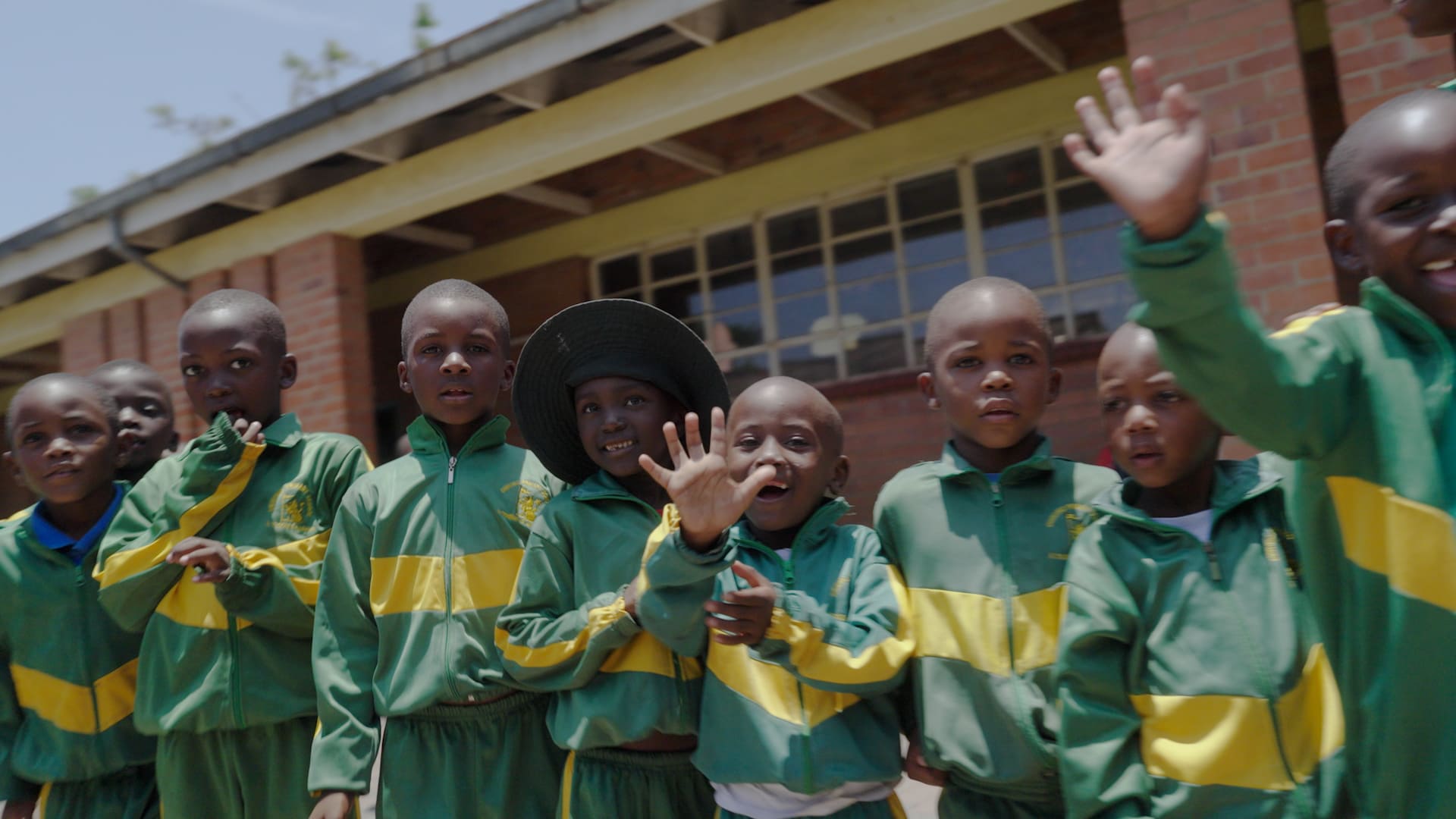
youth coding program
Learn more about our free tech bootcamp below.
program overview
Our free, after school youth coding program is designed to take students from zero coding experience to understanding the basics of Machine Learning and Artificial Intelligence in 12 weeks. We believe in making learning practical and fun, so our students learn how to code by building computer games.
The language of the future is code, and the future is now. Here are a few of the main reasons why everyone, especially children, should be learning how to code:
Problem Solving Skills
At its core, coding is about solving problems. Learning how to think critically and logically about challenges is still programmers career for life
teaches creativity
Coding is all about experimenting, creating and imagining solutions to problems that one can try to solve in real-time. Programmers are constantly challenged to think outside the box.
encourages persistence
Computer science is one off the few professional disciplines where it's entirely acceptable to be a near-constant failure. Learning resilience at an early age is key for long term success
curriculum overview
Our Youth Coding Curriculum focuses on teaching youth how to code by building and playing computer games.
Our instructors are trained to use the Socratic Method, which emphasizes asking questions versus lecturing students.
Our goal is to make learning how to code fun and approachable for everyone, to spark curiosity, and to instill a sense of wonder and amazement for what one can create when they learn how to communicate with computers.
Over 12 weeks, students will learn the following core computer science concepts by building computer games.
Week 1: Conditional Statements
Fundamental to controlling the flow of execution in a program, Conditional Statements are like rules that tell a computer to do something, only if something else is true.
Week 2: Mathematics
Mathematics helps computer scientists solve problems and understand how computers work by using numbers, patterns and logic.
Week 3: Variables
Variables are like containers in a computer program that hold different kinds of information, such as numbers or words, which can change as the program runs.
Week 4: Loops
Loops are like a magic trick in computer programs that repeat a certain set of instructions over and over again until a specific condition is met.
Weeks 5-6: Functions
Functions are like special recipes in a computer program that group together a bunch of steps or instructions to perform a specific task, making it easier to use and reuse them whenever needed.
Weeks 7-8: Data Types
Data Types are like different kinds of containers in a computer program that hold specific types of information, such as numbers, words, or true/false values, to help the computer understand how to work with various data.
Week 9 -12: Artificial Intelligence & Machine Learning
Artificial Intelligence (AI) and Machine Learning (ML) are like super-smart robots and wizards in the world of computers. They help computers learn from data and make decisions on their own, just like how humans learn from experience and make choices.
understanding the people we serve
Target Demographic Survey - 17 January, 2026
We conduct baseline surveys of our applicants and accepted students, as well members of the communities we are active in, to better understand the needs and circumstances of our program beneficiaries.
The results to our latest survey are below:
Percentsage of respondents owning a personal computer
0%
Percentage of respondents with variable access to electricity.
0%
Percentage of respondents with consistent access to the internet
0%
Percentage of respondents with O'Level as highest education
0%
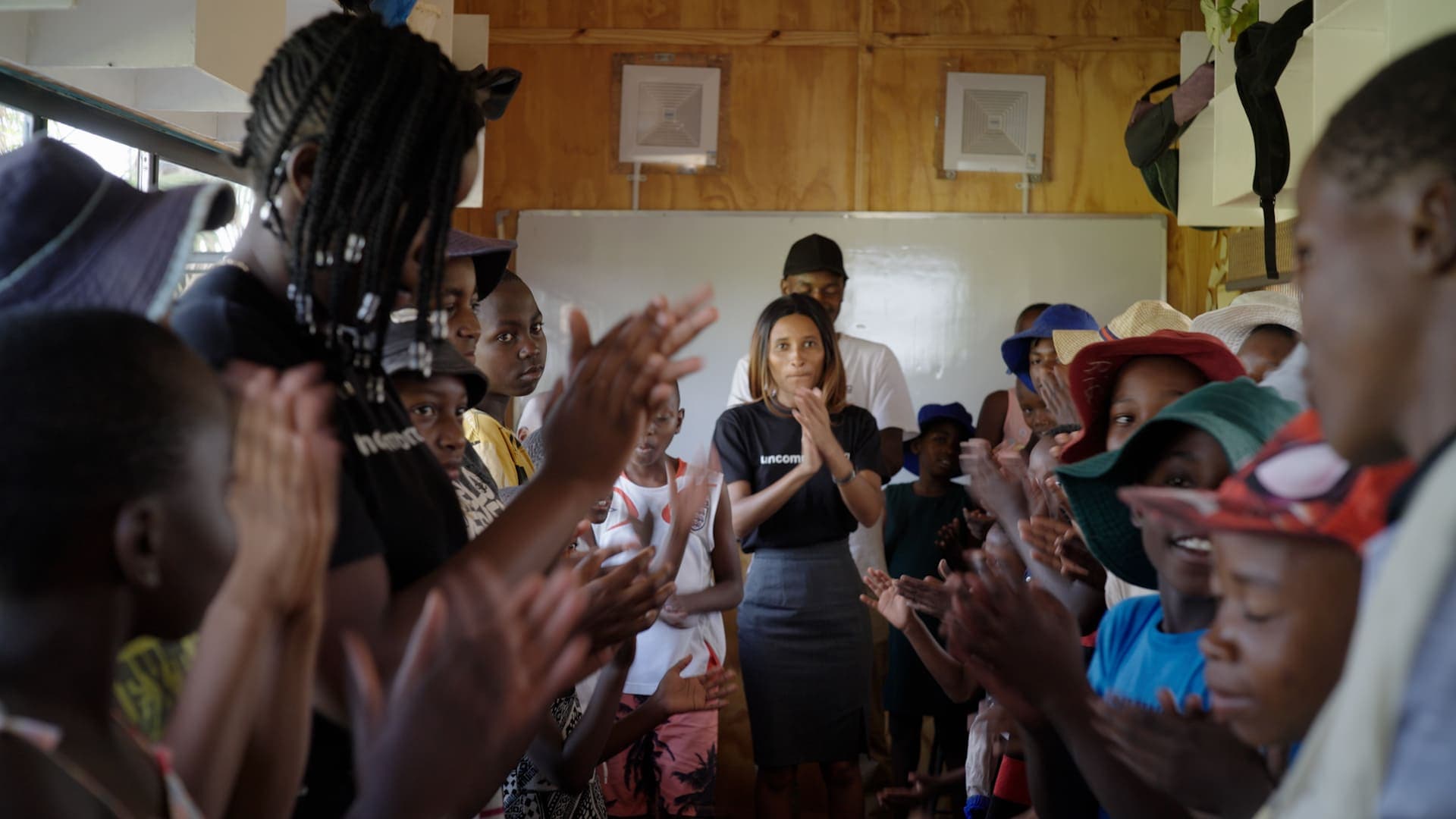
2026 youth coding impact metrics
Coming Soon0
Bootcamp Students Enrolled

0
Youth Coding Students Taught
YTD

0
Teachers Trained